
 February 4, 2026 | Probus
Inside the Feeder Pillar: Why FSP Monitoring Is the Missing Link in LV Grid Visibility
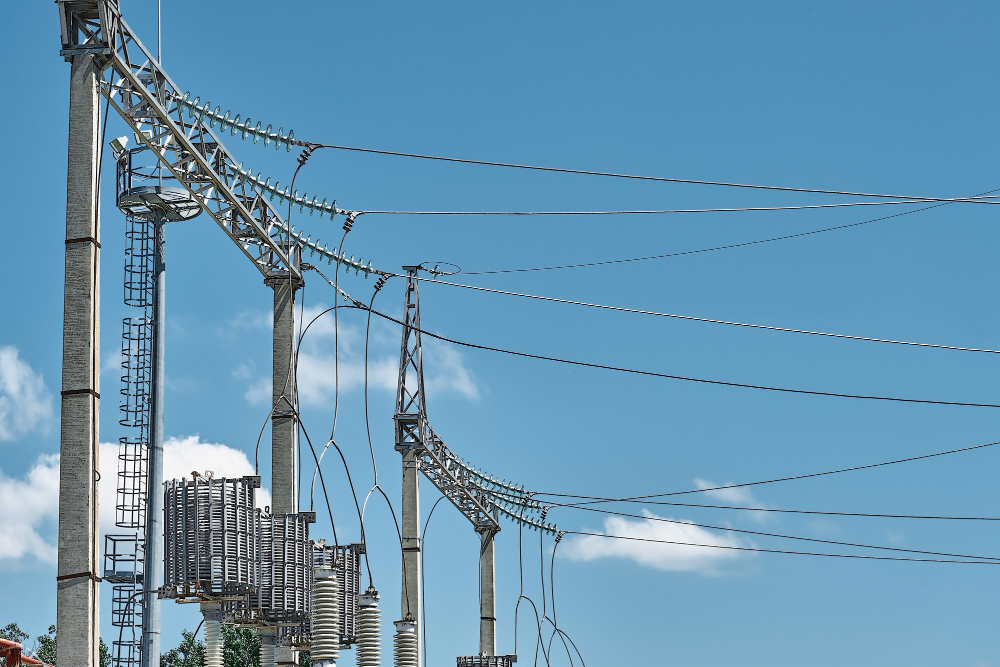
In most distribution networks, attention flows from substations outward. SCADA systems track high-voltage behavior. Feeders are monitored at aggregate levels. Smart meters capture consumption at endpoints. Somewhere in between sits the feeder pillar, quietly absorbing stress without much attention.
This is where many low-voltage failures actually accumulate.
Feeder pillars are exposed, overloaded, frequently accessed, and rarely monitored in real time. When something goes wrong here, the impact ripples across entire neighborhoods. Yet in many utilities, the feeder pillar remains a blind spot until a complaint, outage, or visible damage forces action.
This gap between substation intelligence and last-mile awareness is where FSP monitoring becomes critical.
Why Feeder Pillars are High-Risk High-Impact Nodes
Feeder pillars handle distribution switching, load branching, and protection for multiple downstream connections. They experience frequent switching operations, load fluctuations, and environmental exposure.
Common issues at feeder pillars include:
- Overheating due to sustained overload or loose connections
- Voltage instability caused by imbalanced downstream demand
- Fire risk from insulation failure or unauthorized modifications
- Manual switching errors that go unrecorded
- Delayed fault detection because no data is available until failure
Despite this risk profile, feeder pillars are often checked only during scheduled inspections or after an outage has already occurred.
The Cost of Discovering Failures too Late
When a feeder pillar fails, the response clock starts late. Utilities often learn about the problem through customer complaints, not system alerts. By the time field teams arrive, damage has already escalated.
Late discovery leads to:
- Longer outages affecting multiple consumers
- Higher repair costs due to secondary damage
- Safety risks for nearby residents and field staff
- Poor reliability metrics and customer dissatisfaction
Most of these costs are not caused by the fault itself, but by the delay in detecting it.
What Changes When Feeder Pillars are Monitored
FSP monitoring devices introduce real-time visibility into feeder pillars. Instead of relying on periodic checks, utilities gain continuous awareness of what is happening inside these critical nodes.
Key parameters such as voltage levels, on-off status, and internal temperature or fire indicators provide immediate context. When something abnormal occurs, alerts are generated before failure cascades downstream.
This changes response timelines dramatically. Field teams move from reacting to outages to preventing them.
Voltage Status and Fire Detection as Early Signals
Feeder pillar failures rarely occur without warning. Stress accumulates quietly in the form of voltage fluctuations, abnormal switching patterns, and rising heat long before visible damage appears. The challenge for utilities has never been the absence of signals, but the absence of continuous visibility.
Voltage monitoring acts as the earliest indicator. It exposes overload, phase imbalance, and upstream stress conditions that slowly weaken insulation and components over time. These patterns often emerge days or weeks before a fault becomes a failure.
On-off status tracking brings precision to fault analysis. Every switching event is logged, removing ambiguity around manual intervention, unintended outages, or delayed restoration. This accountability shortens diagnosis cycles and reduces repeated site visits.
Fire and temperature detection address the most vulnerable point in the low-voltage network. Early thermal alerts provide a critical window to intervene before overheating escalates into equipment damage, service disruption, or safety incidents.
Taken together, these signals transform feeder pillars from blind spots into continuously monitored assets, offering a real-time view of network health rather than post-failure explanations.
Connecting Substation Intelligence to Last-Mile Reality
Substations may show normal behavior while feeder pillars struggle under localized load conditions. Without intermediate visibility, utilities miss this disconnect.
FSP monitoring bridges that gap. It links high-level grid intelligence with street-level reality. When combined with LV sensors and AMR data, it completes the visibility chain from substation to consumer.
This integration allows utilities to understand how stress propagates through the network rather than discovering it only after failure.
Inside The FSP Monitoring Approach
The FSP Monitoring Device and its internal architecture are designed for harsh field conditions. They operate within constrained enclosures, tolerate electrical noise, and function continuously without frequent intervention.
Their role is not to add complexity, but to surface clarity where it was previously absent. Simple, reliable signals from the feeder pillar often prevent complex downstream failures.
Why Feeder Pillar Visibility Changes Grid Operations
Once feeder pillars are monitored, utilities begin to see patterns that were previously invisible. Certain locations show repeated stress. Certain load profiles trigger predictable issues. Maintenance shifts from routine schedules to targeted action.
This improves:
- Outage response speed
- Asset life at the edge of the network
- Safety for both consumers and field staff
- Trust in grid performance data
Most importantly, it reduces the number of surprises.
Solving Real Operational Pain
Feeder pillar monitoring is not a theoretical upgrade. It addresses one of the most common field frustrations in distribution networks: knowing that something is wrong only after it fails.
By placing intelligence where failures originate, Probus helps utilities regain control over the LV grid. The feeder pillar stops being a silent risk and becomes an observable, manageable asset.
In a grid that is becoming more distributed, more loaded, and more complex, visibility at this level is no longer optional. It is the missing link.
 About us


We specialize in delivering innovative energy solutions that drive efficiency and sustainability. With our cutting-edge hardware and software offerings, we empower businesses to optimize their energy consumption, reduce costs, and make a positive environmental impact.



 May 25, 2025