Home Author: admin

Author: admin

Beyond Smart Meters: The Case for Hybrid NIC Cards in Indian Utility Infrastructure

The rapid rollout of smart meters across India is one of the most ambitious digital transformations attempted by the power sector. The Smart Meter National Programme aims to install over 250 million meters by 2027. On paper, the vision is clear: real-time data, transparent billing, reduced losses, and empowered consumers. Yet there is an inconvenient reality that engineers, utilities, and technology providers all grapple with once the rollout begins. Connectivity is never uniform.

India’s grid spans dense cities, remote villages, industrial corridors, and agricultural fields. Each of these environments presents different communication challenges. A single-mode smart meter, relying only on one technology such as RF Mesh or Cellular often struggles when faced with dead zones, latency issues, or sudden network congestion. The result is stranded assets: expensive meters that are installed but fail to deliver the data that utilities were promised.

Why single-mode infrastructure falls short

Smart meters are not just about measurement, they are about communication. A meter that cannot reliably transmit its readings is as ineffective as no meter at all. Consider three common pain points:

  1. Connectivity dead zones: RF Mesh works well in dense urban clusters but struggles in rural or spread-out environments. NB-IoT offers wide coverage but can falter in high-rise urban basements. 
  2. Latency and reliability: 4G may provide speed, but it is vulnerable to congestion during peak data traffic. Utilities need data that is consistent. 
  3. Operational costs: Each technology has cost implications in terms of bandwidth, device hardware, and maintenance. A utility locked into one mode risks cost overruns if that mode proves inefficient across different geographies. 

Utilities cannot afford a patchwork of technologies that leave gaps in coverage and reliability. They require infrastructure that adapts to varied realities without forcing expensive retrofits every few years.

Enter the hybrid NIC card

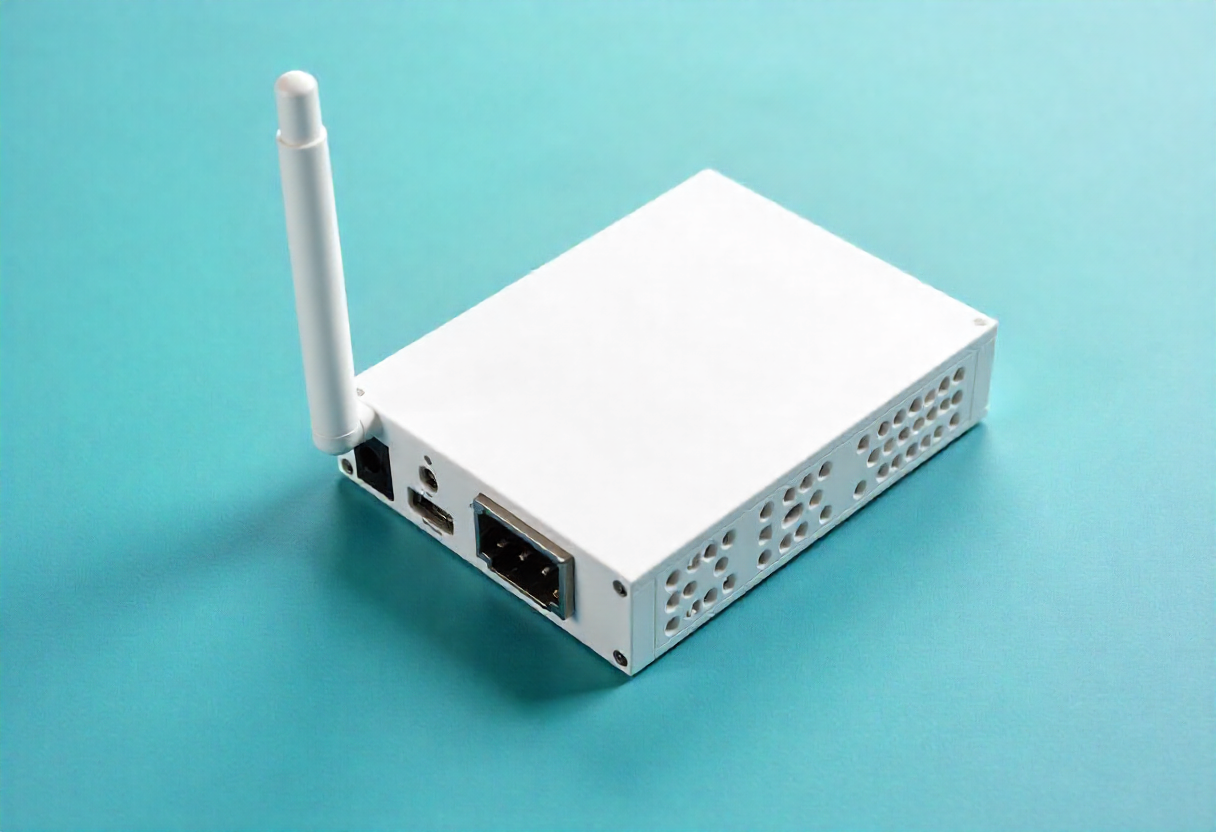
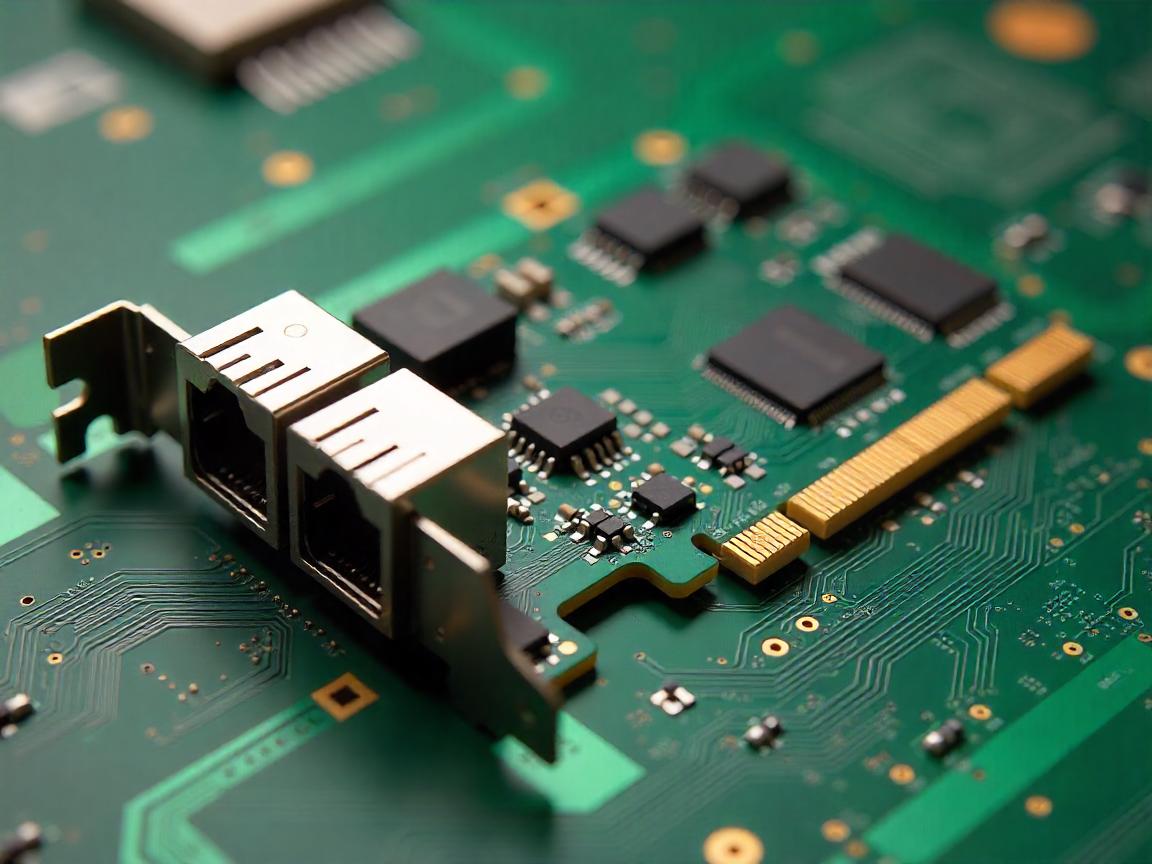
Probus has approached this problem with a simple but powerful principle: resilience comes from flexibility. The company’s patented hybrid Network Interface Card (NIC) integrates cellular and Bluetooth communication protocols into a single device. 4G and RF 2.4 GHz or BLE or BLE (Bluetooth Low Energy) can all be accessed as needed, switching intelligently depending on the environment.

This innovation eliminates the binary choice of “which protocol to deploy” and replaces it with a system that adjusts dynamically. A meter in a rural area can lean on BLE or 4G for its wide coverage, while a dense urban cluster can default to BLE. In difficult-to-reach basements or industrial enclosures, BLE or 4G provides the fallback. Utilities no longer have to worry about stranded assets because the NIC card ensures that communication continuity is built into the meter from day one.

Future-proofing investments in smart grids

The most pressing challenge for utilities today is not just scaling infrastructure, but ensuring that investments remain relevant over decades. A smart meter installed in 2025 must still deliver value in 2035. Communication technologies will evolve, new standards will emerge, and networks will change. A single-mode NIC card risks obsolescence the moment its protocol falls out of favor.

A hybrid NIC card, by contrast, is a hedge against technological uncertainty. It allows utilities to pivot between communication modes without pulling devices out of the field. This is not just a technical advantage, it is a financial safeguard. The cost of retrofitting millions of meters in the future would dwarf the incremental cost of deploying hybrid NICs today.

Reducing risk and unlocking value

By adopting hybrid NIC cards, utilities achieve more than just reliable communication. They create an ecosystem where:

  • Data flows continuously, enabling advanced analytics and theft detection. 
  • Operational risk decreases, since no region is left in a blind spot. 
  • Customer trust improves, with fewer billing disputes caused by missing or delayed data. 
  • Regulatory compliance strengthens, as utilities can meet reporting mandates with higher accuracy. 

Most importantly, hybrid NICs align with the broader shift toward intelligent grids. A meter is no longer a passive device. It is a node in a connected energy ecosystem, one that must remain robust across diverse geographies and future uncertainties.

A strategic investment delivering measurable value for Indian utilities

Smart metering success depends on operational efficiency, reliable data flow and customer satisfaction, not just the number of devices installed. Traditional single mode meters create long term cost pressures by requiring a SIM in every meter and relying entirely on cellular networks. This leads to recurring OPEX on communication, frequent site visits for failed reads and a poor customer experience when connectivity drops.

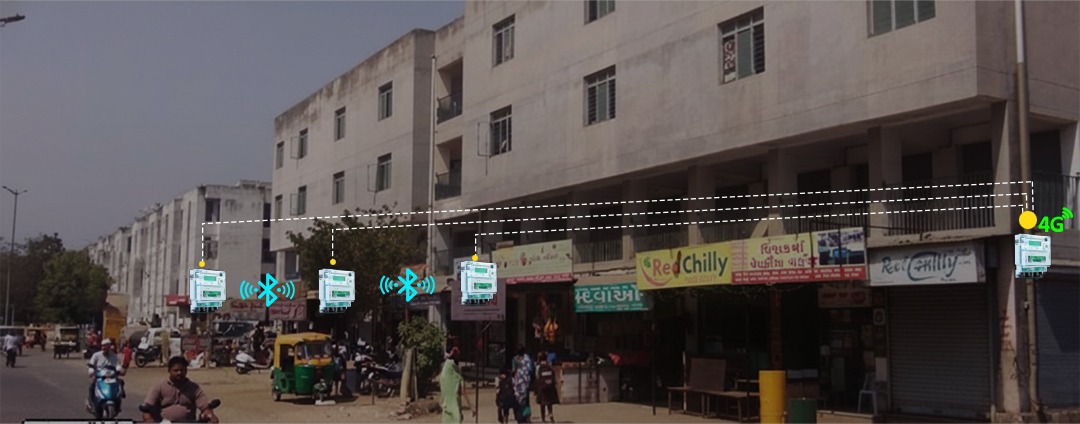
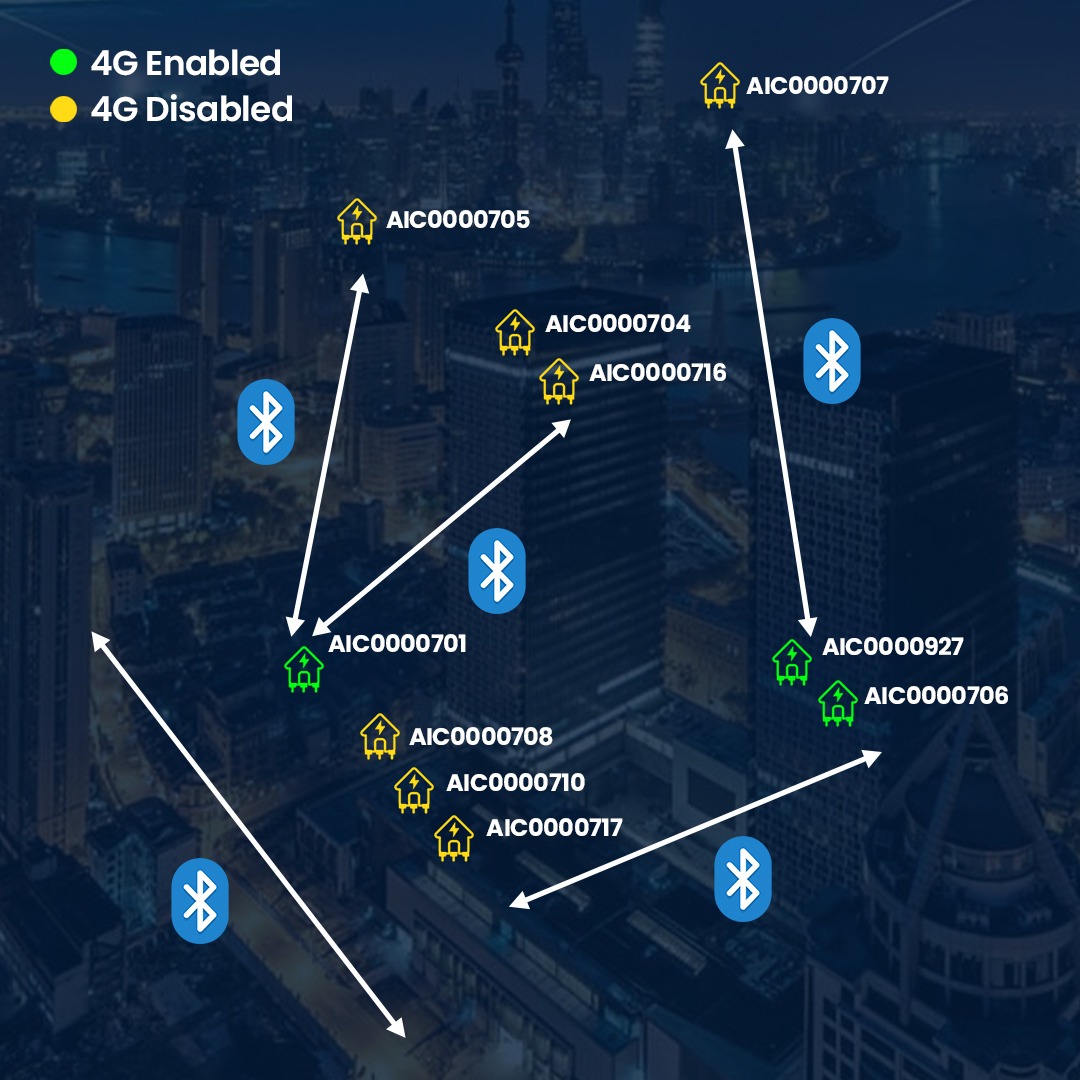
Probus Cellular + BLE Hybrid NIC offers a stronger business case for utilities and AMISPs. By enabling peer-to-peer communication, groups of meters can share a single 4G connection and automatically optimise network selection. This reduces SIM density and can deliver up to 70 percent savings in communication and maintenance OPEX. For a deployment of 35 lakh meters, this translates to more than INR 300 crore in operational savings over ten years even without factoring rising data costs.

The hybrid architecture also improves data reliability and revenue protection. Meter-to-meter communication ensures consistent data availability without physical intervention, avoiding revenue losses from missed reads. Field teams can connect wirelessly through BLE without entering customer premises, reducing downtime and improving service efficiency. For prepaid systems, supply restoration following a recharge can be completed directly through the customer app when the cellular network is unavailable, eliminating common complaint scenarios.

Smart metering infrastructure must support long term scalability and customer centricity. Hybrid NIC technology provides a resilient communication layer that lowers cost of ownership, strengthens billing accuracy and enhances consumer convenience. It allows the smart grid to function intelligently and consistently throughout its lifecycle, delivering real value to utilities and the customers they serve.

The Hidden Cost of Invisible Losses: How IoT Sensors Are Uncovering 12% Distribution Loss in LV Grids

When people think about energy loss, the conversation often begins and ends with transmission lines stretching across the landscape. Yet, the less visible part of the story lies in the low voltage (LV) distribution grid, the last mile where electricity actually meets homes, industries, and commercial centers. This is where inefficiencies compound, theft thrives, and technical weaknesses quietly drain resources. In India and across emerging markets, studies suggest that up to 12 percent of total power distributed in LV networks is lost without ever being billed or consumed productively.

For utilities, these are not abstract percentages. They translate into crores of rupees in annual revenue loss, lower grid reliability, and increasing financial stress on already stretched distribution companies (DISCOMs). More importantly, they stall progress toward decarbonization by making the grid less efficient just when it needs to become smarter and cleaner.

Why LV grids are the weakest link

Unlike high-voltage transmission networks, which are monitored with sophisticated SCADA systems, the LV distribution grid is still largely opaque. Transformers, feeders, and distribution lines serving neighborhoods often operate without continuous visibility. Losses here can arise from three main sources:

  1. Technical inefficiencies such as transformer overload, unbalanced phases, or poor power factor. 
  2. Operational inefficiency, such as resolving outage issues after customer complaint, manual logging of asset breakdown works, and routine asset maintenence at a regular defined frequency. 
  3. Voltage drops and leakage due to aging infrastructure or poorly maintained cabling. 

The problem is not only financial. For every unit of electricity wasted in this hidden system, more fossil fuels are burned upstream to make up the shortfall, directly undermining national and corporate sustainability goals.

Making the invisible visible with IoT

This is where IoT is rewriting the rules. Traditional loss-detection methods relied on monthly meter readings, manual audits, or rough statistical models that lagged reality by weeks. By the time a discrepancy was identified, the money was gone and the opportunity to intervene had already passed.

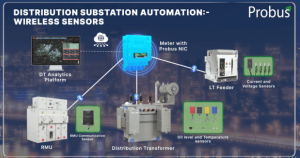
Probus has introduced a different approach. Its wireless LV grid sensors and patented communications modules sit directly within the distribution infrastructure, continuously collecting granular data on current, voltage, and power flows. Instead of periodic snapshots, utilities gain a live feed of grid behavior across thousands of nodes.

This real-time dataset becomes exponentially more valuable once paired with advanced analytics. Algorithms can identify patterns that human auditors would miss:

  • Pinpointing specific feeders where load curves do not match expected consumption. 
  • Detecting sudden drops in voltage that indicate cable degradation. 
  • Flagging consumption signatures that reveal tampered meters or bypassed connections. 

The result is an evidence-based map of losses across the LV network, turning what was once invisible into actionable intelligence.

Quantifying and recovering losses

What does this visibility achieve in practice? Consider a utility monitoring 100,000 low-voltage connections. If 12 percent of power is being lost, that translates into tens of gigawatt-hours each year. By installing IoT sensors across distribution assets, utilities can not only identify where the losses occur but also quantify them with precision.

In actual projects carried out, this has enabled utilities to:

  • Reduce Asset-CAPEX losses by up to 33 percent within the first year, simply by closing loopholes identified through sensor data. 
  • Extend transformer life by predicting overload, unbalancing, and past breakdown analysis before it causes failure. 
  • Improve outage restoration from 2 hours to 25 minutes and gain customer trust by eliminating inconsistencies. 

The financial recovery is significant. What once required costly manpower-intensive audits can now be achieved continuously and remotely.

The multiplier effect on sustainability

The conversation about invisible losses is not only about money. It is also about the environmental impact of wasted electricity. Every avoided kilowatt-hour loss means fewer fossil fuels consumed upstream. For countries like India, where coal still contributes a large share of generation, closing this 12 percent LV loss gap could represent millions of tonnes of avoided carbon emissions annually.

Utilities that embrace IoT-powered visibility are therefore not just improving their bottom line, they are directly accelerating national commitments toward decarbonization and net-zero goals.

Building the intelligent grid of the future

The LV grid was once treated as too messy and distributed to monitor effectively. IoT has changed that paradigm. With wireless sensors, hybrid communication cards, and analytics platforms, Probus is enabling utilities to build the foundations of an intelligent distribution grid that is as transparent as it is efficient.

Invisible losses are no longer an unavoidable cost of doing business. They are a solvable challenge, and solving them is one of the most cost-effective ways to strengthen utilities, improve sustainability, and deliver reliable power to communities.

The hidden costs are only hidden if we choose not to look. With IoT sensors, the LV grid is finally revealing its truths, and utilities that act on this knowledge will be the ones leading the energy transition.

PRIVATE UTILITIES SAVING 70% IN SMART METER OPEX

BREAKTHROUGH: INR 300Cr Savings for 35 lakh Smart Meter Implementation

Smart meter deployments in India’s private utilities are rapidly evolving. With focus on new connections and few replacements, the meters are sparsely deployed and most of the private utilities are going ahead with Cellular Smart meter installation. Major worry for Utilities is Operations & Maintenance Cost.

Operating communication costs for Cellular Smart Meters comes out to be Rs 8 per meter per month. For 35 lakhs meters it works out to Rs 34 Crore per year and for 10 years of operations, it would be Rs 340 Crore (considering no rate increase by cellular operator for 10 years, data costs in India keeps on rising). This could be 3-4 times more than manual reading and can impact ARR of utility.

To address this issue of increase in operating cost, Probus Smart Things innovated and have come up with a unique product “Cellular+BLE NIC”. This NIC communication technology complements cellular technology and provides 70% savings to utilities in OPEX.

THE OPEX SAVINGS IN 4G + BLE COMMUNICATION

Every Meter is a Gateway (Rs 8 sim will cost you Rs. 2):- A group of meters share a single 4G connection, eliminating the need for a SIM card in every meter and saving up to 75% in SIM costs. Even if a meter is standalone today, any new meter installed nearby in the future will operate without a SIM. This selection happens automatically in the network and can be rolled back any time

Reduced Site Visits (Rs. 150 site visit will cost you Rs. 75) :- We all know that 4G networks can be intermittent at times, but losing data is not an option. With Probus meter-to-meter communication, there’s no need for site visits, data is received automatically.

I understand you are considering the possibility that even the entire region’s cellular network could be down. Yes, Probus supports you in that scenario as well by increasing efficiency and reading meters at least twice as fast. NO OPTICAL CABLES AND INTERVENING CUSTOMER HOUSEHOLD!

CONSUMER-CENTRIC INNOVATION

Read meters in non-intrusive manner

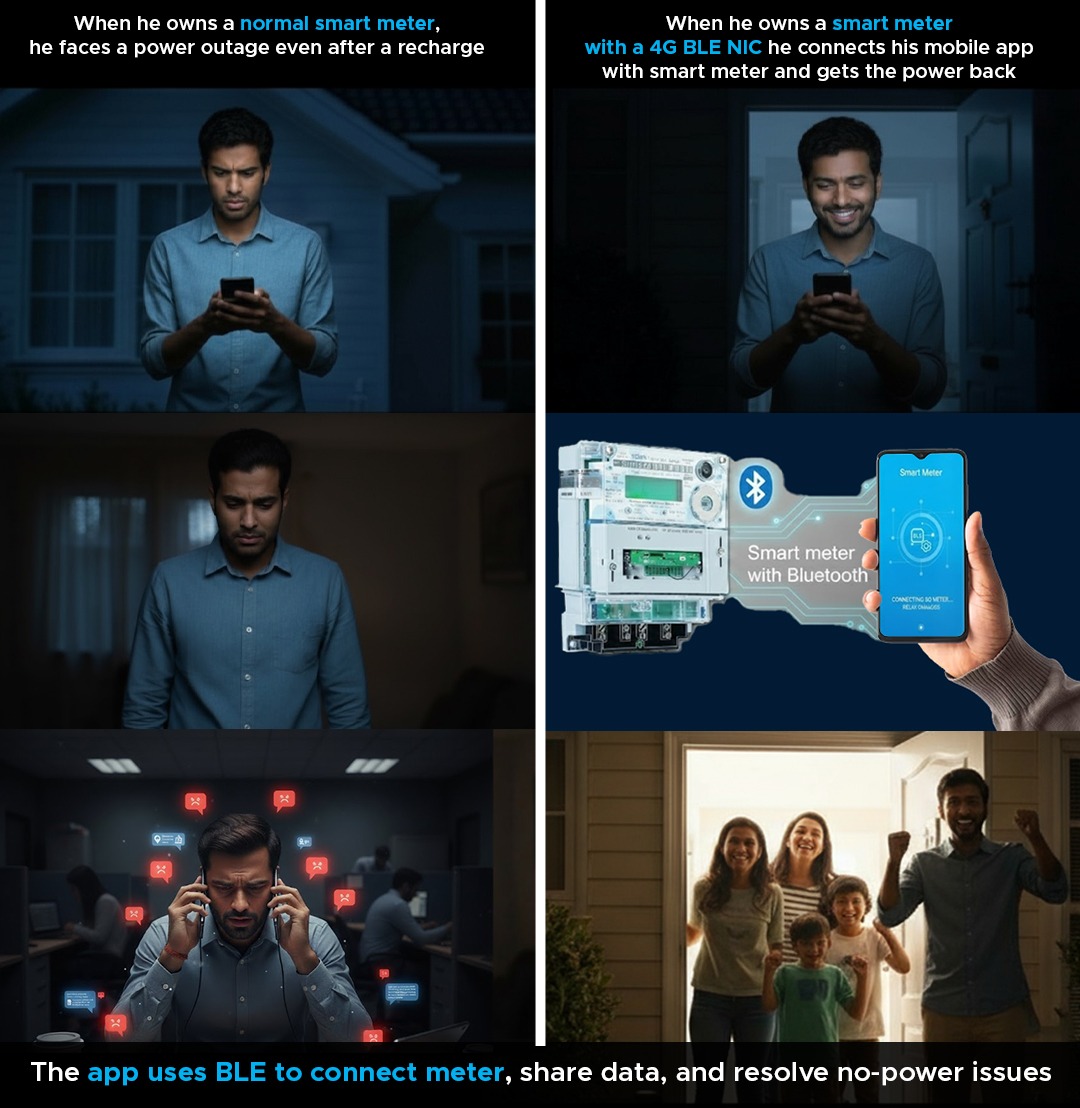
There is no need to seek customer permission or cause any inconvenience if a site visit is required to read the meter for billing purposes. Probus utility mobile app wirelessly connects with smart meters enabled with 4G BLE NIC and reads or performs any desired action on the meter for which the ticket is generated by
MDM/SAP.

No Customer Complaints in Pre-paid meters

Our 4G + BLE architecture aligns perfectly with the Government of India’s vision to operationalise existing smart meters as pre-paid systems.

A customer completes a recharge, but electricity isn’t restored due to a system failure, whether in the data center, HES app, or cellular communication. The customer’s mobile app connects directly with the smart meter, equipped with a 4G BLE NIC, to
restore electricity within minutes.

4G+BLE turns every meter into a resilient, low OPEX data mode – fewer SIMs,
fewer truck rolls, faster reads.

Ready to see it live?

Connect Here


Probus Innovation Center,
4th Floor,
Plot No. 15A,
Tradex Tower,
Sector 125, Noida(UP)


Copyright © 2025 PROBUS SMART THINGS PRIVATE LIMITED – All Rights Reserved.

www.probus.io

Empowering the Future: Probus Smart Things Journey in Smart Grid Innovation

In an era where energy efficiency and sustainability are paramount, the transformation of traditional power grids into intelligent networks is not just a technological advancement—it’s a necessity. Probus Smart Things stands at the forefront of this transformation, pioneering solutions that integrate cutting-edge IoT technologies to revolutionize energy distribution and management.

The Genesis of Innovation

Founded by visionary entrepreneur Anand Singh, Probus Smart Things embarked on a mission to digitize distribution grids, offering real-time visibility and control over energy networks. Their integrated IoT platform seamlessly combines hardware and software solutions, enabling utilities to optimize operations, reduce losses, and enhance service reliability.

Smart Metering: A Leap Towards Efficiency

At the heart of Probus’s offerings lies their advanced smart metering solutions. By deploying patented Network Interface Cards (NICs) supporting RF, NB-IoT, 4G, and BLE, Probus ensures robust and secure data communication across diverse network infrastructures. These smart meters facilitate automated readings, real-time monitoring, and predictive analytics, empowering utilities to make informed decisions and proactively address issues.

Key Benefits:

  • Automated Meter Reading (AMR): Eliminates manual errors and reduces operational costs.
  • Real-Time Data Analytics: Provides insights into consumption patterns and grid performance.
  • Enhanced Customer Engagement: Enables transparent billing and energy usage awareness.

Smart Grid Integration: Building Resilient Networks

Beyond metering, Probus’s smart grid integration solutions offer comprehensive tools for grid optimization. Their wireless sensors and analytics platforms monitor critical parameters, detect anomalies, and facilitate demand response strategies. This holistic approach ensures grid stability, reduces outages, and supports the integration of renewable energy sources.

Notable Features:

  • Advanced Grid Analytics: Identifies inefficiencies and predicts maintenance needs.
  • Demand Response Management: Balances load and prevents overloading during peak times.
  • Seamless Renewable Integration: Supports solar and wind energy incorporation into the grid.

Achievements and Recognition

Probus’s innovative solutions have garnered significant attention and accolades within the industry. Their recent $3 million Series A funding round underscores investor confidence in their vision and capabilities. Additionally, their selection for the Qualcomm Design in India Challenge highlights their commitment to technological excellence and indigenous innovation.

Conclusion: Shaping a Sustainable Energy Future

Probus Smart Things exemplifies how technological innovation can drive meaningful change in the energy sector. By harnessing the power of IoT and data analytics, they are not only enhancing grid efficiency but also paving the way for a more sustainable and resilient energy infrastructure. As the world moves towards smarter energy solutions, Probus’s contributions will undoubtedly play a pivotal role in shaping the future of power distribution.

Revolutionizing the Power Grid: How Probus Smart Things is Redefining Energy Efficiency with IoT

In today’s rapidly evolving energy landscape, traditional infrastructure is under immense pressure to adapt to the rising demand for cleaner, smarter, and more efficient power systems. Climate change, increasing electricity usage, and aging grid systems are prompting a global push toward digital transformation. One company making major waves in this sector is Probus Smart Things, a pioneering energy-tech startup that is deploying cutting-edge IoT solutions to transform how electricity is monitored, managed, and optimized. From smart metering to grid automation and solar plant performance, Probus is tackling the sector’s most pressing issues with innovative, real-world technology.

In this article, we explore how Probus is revolutionizing energy distribution through a holistic, scalable approach, and why their tech-first solutions are making utilities smarter and more sustainable.

1. The Digital Transformation of Utilities: A Necessity, Not a Luxury

Power utilities have historically relied on manual systems, legacy infrastructure, and reactive maintenance—leading to energy losses, inefficient grid operations, and limited consumer insight. As per estimates from the International Energy Agency (IEA), nearly 8% of generated electricity is lost during transmission and distribution globally. In countries with vast rural grids and infrastructural challenges like India, these losses can reach 15–20%.

This is where Probus’s integrated IoT-based platform plays a transformative role.

The Need for Smarter Grids

  • Energy Losses: Unmonitored grids lead to higher technical and commercial losses.
  • Limited Visibility: Traditional systems lack real-time analytics for utilities to monitor faults or consumption patterns.
  • Manual Dependency: Field inspections and meter readings are slow, error-prone, and resource-intensive.
  • Sustainability Goals: Achieving net-zero emissions requires optimized renewable energy integration and demand-side management.

2. Probus’s IoT Solutions: Intelligent, Interconnected, and Impact-Driven

Probus offers end-to-end, plug-and-play solutions that combine patented IoT hardware, edge intelligence, and AI-powered analytics to build smarter energy ecosystems. Their offerings fall into three key categories:

A. Smart Metering: Visibility and Control at Scale

Smart metering lies at the heart of a digital grid, and Probus’s metering solution provides real-time monitoring of power consumption and transmission, allowing utilities to proactively manage energy flow.

Key Technologies & Benefits:

  • NIC Cards with Multi-Protocol Support: Their patented communication modules support RF Mesh, NB-IoT, 4G, and BLE, ensuring secure and versatile data transmission.
  • Automated Meter Reading (AMR): Reduces dependency on manual meter reading by up to 95%, cutting operational costs and errors.
  • Consumer Load Analytics: Utilities can now detect abnormal consumption patterns, potential theft, and even predict peak load behavior using AI models.
  • Interoperability: Supports both single-phase and three-phase meters, allowing deployment across residential, commercial, and industrial zones.

Case in Point:

One utility using Probus’s solution reported a 22% reduction in T&D losses within six months of deployment, thanks to proactive grid monitoring and data-driven insights.

B. Solar Plant Monitoring: Maximizing ROI on Renewables

Solar energy is booming, but so are the inefficiencies from environmental factors like soiling, weather, and grid synchronization issues. Probus offers wireless monitoring solutions for large-scale solar plants, enabling asset managers to maximize performance and ROI.

What Sets It Apart:

  • Real-Time Soiling & Weather Impact Data: Track losses due to panel soiling, temperature, and humidity in real time.
  • Wireless Sensor Deployment: Reduces cabling and installation time by 40%, lowering setup costs.
  • Data-Driven O&M: Predictive maintenance and issue alerts help reduce downtime and improve energy generation.

Comparison: Traditional vs Probus Solar Monitoring

Feature Traditional System Probus IoT System
Installation Time 3-4 weeks 1-2 weeks
Data Granularity Hourly Real-time
Maintenance Alerts Manual AI-Powered
Uptime 90–93% 98%+

C. Smart Grid Automation: The Backbone of Modern Utilities

Beyond metering and monitoring, Probus empowers utilities to build responsive, intelligent grid systems that can adapt in real time.

Key Functionalities:

  • Fault Localization & Prediction: Edge devices detect anomalies and send alerts before failures occur.
  • Load Balancing & Demand Response: Algorithms redistribute energy dynamically to prevent outages or overloads.
  • Grid Analytics Dashboard: One centralized command center for complete control and diagnostics across grid assets.

Scalability:

Probus’s smart grid solutions are already deployed across over 500,000+ meters and sensors, with plans to expand into MENA and Southeast Asia. Their modular architecture allows utilities to start small and scale as needed.

3. Technology That Earns Trust: Awards, Impact & Recognition

Since its inception, Probus has received significant recognition from industry and government bodies for its innovation and execution.

Milestones:

  • Startup of the Year – 2018 by India Smart Grid Forum.
  • Wireless Technology Excellence – 2020, recognized for their patented sensor hardware.
  • Selected for Qualcomm Design in India Challenge, validating their tech edge and scalability.

Their solar monitoring system was recently chosen for a 78MW solar plant deployment, cementing their credibility in the renewable energy domain.

4. A Greener, Smarter Future: The Road Ahead

Probus Smart Things is not just a technology provider—they are strategic partners for utilities navigating the green energy transition. By digitizing the core layers of the power grid, Probus enables:

  • Operational Cost Reduction
  • Faster Fault Resolution
  • Improved Consumer Transparency
  • Increased Grid Resilience
  • Enhanced Integration of Renewables

In a sector often resistant to change, Probus’s success proves that with the right technology and execution model, even the most entrenched systems can be overhauled.

Conclusion: From Data to Decisions, Probus is Powering the New Grid

As the world confronts the dual challenges of growing energy demand and climate urgency, the need for intelligent infrastructure has never been greater. Probus Smart Things stands at the intersection of innovation and impact—helping utilities leapfrog into the future of energy. Their IoT-based solutions are not just automating meters or solar plants—they are empowering an entire ecosystem to think, act, and evolve in real time.

Utilities that adopt these solutions are already seeing double-digit reductions in losses, better customer engagement, and higher returns on renewable investments. For those still relying on legacy systems, the message is clear: the future is smart, and the future is now—with Probus.

Probus Smart Things: Pioneering the Future with $3 Million Series A Funding

Introduction

In a remarkable milestone for the technology industry, Probus Smart Things, an innovative player in the IoT Communications and data analytics space, has recently raised $3 million in a Series A funding round. This significant financial boost marks a new chapter in the company’s journey, paving the way for groundbreaking advancements and expansion. This blog post delves into the story of Probus Smart Probus Smart Things: Pioneering the Future with $3 Million Series A Funding2Things, exploring the factors that led to this successful funding, the company’s ambitious plans for the future, and the opportunities this presents for both new talent and B2B enterprise customers.

The Journey of Innovation

Founded by visionary entrepreneur Anand Singh, Probus Smart Things has been at the forefront of technological innovation in utility services. The company’s journey is a testament to the power of integrating hardware and software solutions to revolutionize utility management. With a focus on digitizing distribution grids, Probus Smart Things offers clear, real-time visibility into network operations through its state- of-the-art IoT platform.

A Strategic Leap Forward: The $3 Million Funding

This recent infusion of $3 million, led by Unicorn India Ventures (UIV) and a family office from the US, is not just a financial milestone but a vote of confidence in the vision and potential of Probus Smart Things. The round also witnessed participation from existing investors, cementing the company’s standing in the tech startup ecosystem. The funding is earmarked for key areas of growth, including product R&D, team expansion, and enhancing Go-To-Market partnerships, setting the stage for a new era of innovation and market presence.

Future Roadmap: Plans for Growth and Expansion

Probus Smart Things is not resting on its laurels. The company has bold plans for using the Series A funds. Over the next 18 to 24 months, they aim to grow revenues by 6X and double their team size. This rapid expansion is underpinned by impressive past performance, including an eight-fold revenue growth and achieving profitability at the PAT level. Furthermore, the company plans to broaden its reach, with over half a million smart meters already deployed in four geographies and plans to expand further in India and launch operations in the MENA and SEA regions.

Impacting the Tech Ecosystem

The success of Probus Smart Things is a beacon for the broader tech startup ecosystem. Their achievements in revenue growth and profitability are not just numbers; they are a narrative of a company making real, tangible impacts in the tech world. With their recent venture into the solar sector, they are set to disrupt traditional energy management systems, having already bagged their first major order for a 78MW solar plant.

Join Our Team: A Call to Innovators

As Probus Smart Things embarks on this exciting new phase, they are looking for passionate and innovative individuals to join their team. The company offers a dynamic work environment, where creativity and collaboration are not just encouraged but are the bedrock of their culture. For those looking to make a mark in the tech industry and contribute to groundbreaking projects, Probus Smart Things presents an unparalleled opportunity.

Partnering for Success: Inviting B2B Enterprise Collaborations

This is also a clarion call to B2B enterprises. Probus Smart Things is actively seeking partnerships and collaborations that can benefit from their advanced IoT and analytics solutions. With a track record of successful deployments and a clear vision for the future, the company is poised to be an invaluable partner for businesses looking to enhance their technology capabilities.

Conclusion

The $3 million Series A funding is more than a financial milestone for Probus Smart Things; it is a testament to their innovation, resilience, and vision. As the company looks forward to expanding its team and forging new B2B partnerships, it stands as a shining example of what can be achieved in the tech startup world. For those aspiring to join this journey, whether as team members or business partners, the doors are open, and the possibilities are endless.

IoT for smart metering: How to get started with

Introduction

In a remarkable milestone for the technology industry, Probus Smart Things, an innovative player in the IoT Communications and data analytics space, has recently raised $3 million in a Series A funding round. This significant financial boost marks a new chapter in the company’s journey, paving the way for groundbreaking advancements and expansion. This blog post delves into the story of Probus Smart Probus Smart Things: Pioneering the Future with $3 Million Series A Funding2Things, exploring the factors that led to this successful funding, the company’s ambitious plans for the future, and the opportunities this presents for both new talent and B2B enterprise customers.

The Journey of Innovation

Founded by visionary entrepreneur Anand Singh, Probus Smart Things has been at the forefront of technological innovation in utility services. The company’s journey is a testament to the power of integrating hardware and software solutions to revolutionize utility management. With a focus on digitizing distribution grids, Probus Smart Things offers clear, real-time visibility into network operations through its state- of-the-art IoT platform.

The Power of Data Analytics in Energy Distribution

Introduction

In a remarkable milestone for the technology industry, Probus Smart Things, an innovative player in the IoT Communications and data analytics space, has recently raised $3 million in a Series A funding round. This significant financial boost marks a new chapter in the company’s journey, paving the way for groundbreaking advancements and expansion. This blog post delves into the story of Probus Smart Probus Smart Things: Pioneering the Future with $3 Million Series A Funding2Things, exploring the factors that led to this successful funding, the company’s ambitious plans for the future, and the opportunities this presents for both new talent and B2B enterprise customers.

The Journey of Innovation

Founded by visionary entrepreneur Anand Singh, Probus Smart Things has been at the forefront of technological innovation in utility services. The company’s journey is a testament to the power of integrating hardware and software solutions to revolutionize utility management. With a focus on digitizing distribution grids, Probus Smart Things offers clear, real-time visibility into network operations through its state- of-the-art IoT platform.