
 February 11, 2026 | Probus
Gateways as Grid Orchestrators: How One Device Shapes Thousands of Meter Conversations
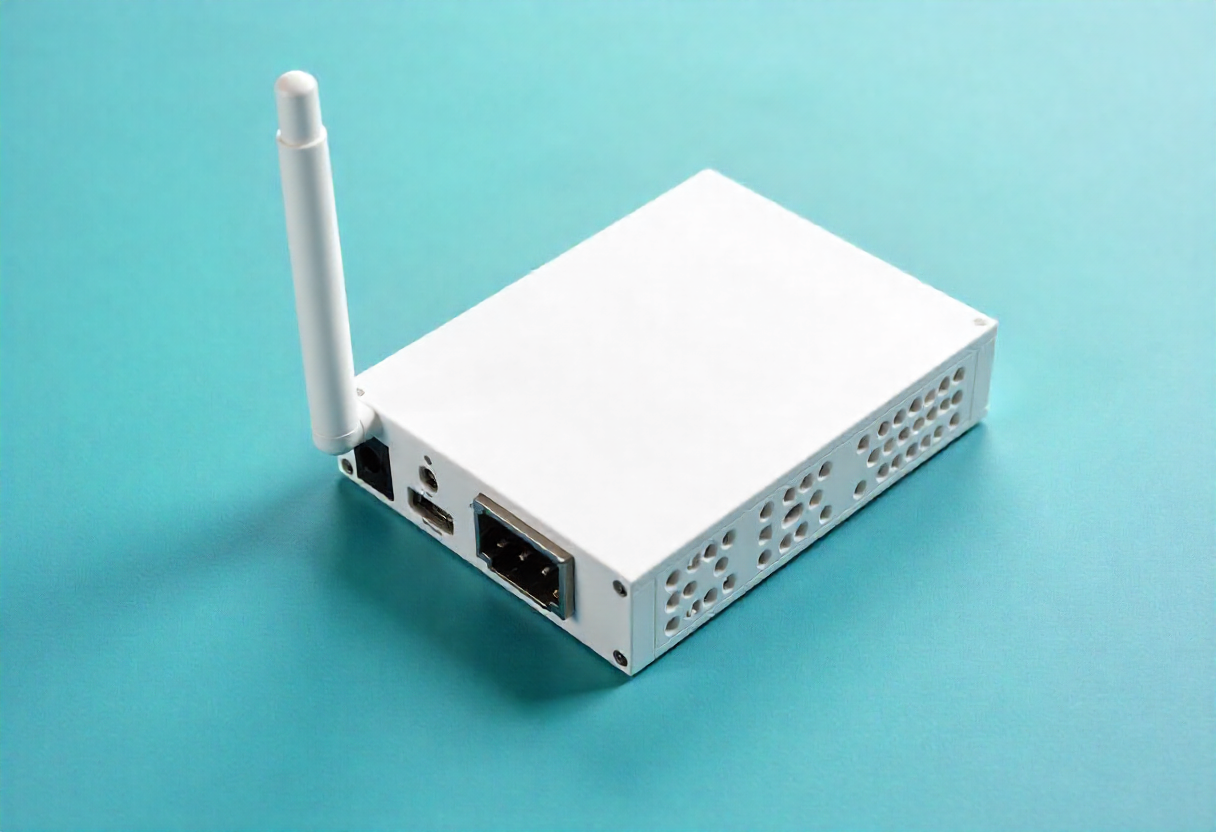
Gateways are often described as simple routers. They sit between meters and central systems, passing data upstream and commands downstream. Because they are rarely visible to end users, their role is often underestimated.
In reality, the gateway is one of the most influential devices in a smart metering system. It determines how thousands of meters communicate, how quickly data arrives, and how reliably the network behaves under load. When gateways perform poorly, the entire grid conversation slows down. When they perform well, communication feels effortless.
Understanding this role is critical as smart metering scales.
Why Gateways Are Not Passive Devices
A gateway does far more than forward packets. It manages communication timing, prioritizes retries, balances traffic, and resolves conflicts when many devices attempt to transmit at once.
In large deployments, hundreds or thousands of meters may depend on a single gateway. Each meter generates periodic data, retry attempts, and exception messages. Without intelligent orchestration, this traffic quickly becomes congested.
Gateway logic determines:
- How transmission windows are scheduled
- How retries are handled during packet loss
- How latency is managed during peak communication cycles
- How data completeness is preserved under stress
These decisions directly affect whether utilities receive clean, usable data or fragmented, delayed streams.
Latency, Retries, and Data Completeness
From a system perspective, missing data is often more damaging than delayed data. Gateways must decide when to retry, when to wait, and when to drop requests to keep the network stable.
Poorly designed logic can create retry storms where repeated failures compound congestion. Well-designed gateways smooth traffic by pacing communication, aggregating responses, and prioritizing critical messages.
Probus gateways are built with this orchestration role in mind. Their firmware and processing logic are designed to maintain data completeness without overwhelming the network.
Why PCB Design Matters in The Field
Gateway reliability is not determined by software alone. The physical design of the Gateway Master PCB plays a critical role, especially in harsh grid environments.
Gateways often operate in:
- High-temperature enclosures
- Electrically noisy substations or cabinets
- Locations with inconsistent power quality
- Environments with vibration or dust
PCB layout affects thermal dissipation, signal integrity, and resistance to electrical noise. A board designed for lab conditions may degrade quickly in the field, leading to intermittent failures that are difficult to diagnose.
Probus treats PCB design as a reliability foundation, not a manufacturing detail. Stable hardware ensures that orchestration logic remains effective over years of operation.
Scaling When Thousands of Meters Speak at Once
The true test of a gateway is scale. Communication patterns change dramatically as deployments grow.
At a small scale, networks appear stable. At a large scale, synchronization effects emerge. Thousands of meters may attempt to report simultaneously after a power restoration or scheduled event.
Without intelligent handling, this can lead to:
- Data loss during recovery windows
- Extended delays in read completion
- Unnecessary retries that overload upstream systems
Gateways must absorb these bursts, regulate traffic, and release data in a controlled manner. This is where orchestration becomes visible.
Reducing Congestion and Improving Uptime
Probus gateways are designed to manage congestion rather than react to it. By controlling communication pacing and intelligently aggregating data, they reduce stress on both local networks and central servers.
This results in:
- Higher data availability during peak events
- Faster recovery after outages
- Lower communication failure rates
- Reduced operational intervention
Uptime improves not because networks are perfect, but because gateways are built to handle imperfection gracefully.
The Gateway as A System Intelligence Layer
In modern grids, intelligence is distributed. Meters sense. Sensors detect. Analytics interpret. Gateways connect these layers.
When gateways function as orchestrators rather than pipes, they enable the entire system to operate smoothly. When they fail, complexity surfaces everywhere else.
This is why Probus treats gateways as critical infrastructure. Their design reflects an understanding that communication stability is a system outcome, shaped by hardware, firmware, and operational context.
Why Deep Gateway Design Matters
As utilities scale smart metering and grid intelligence, the difference between theoretical performance and real-world reliability becomes apparent. Gateways sit at that boundary.
By focusing on orchestration, hardware resilience, and scalability, Probus gateways support large deployments without sacrificing data quality or uptime.
The grid does not speak in single conversations. It speaks in thousands at once. The gateway decides whether those conversations remain coherent.
 About us


We specialize in delivering innovative energy solutions that drive efficiency and sustainability. With our cutting-edge hardware and software offerings, we empower businesses to optimize their energy consumption, reduce costs, and make a positive environmental impact.



 May 25, 2025